First-time PC builders consistently misallocate budget in the same handful of predictable ways — usually overspending on a component that won't meaningfully affect gaming performance while underspending on the one that will. Understanding the actual performance hierarchy of components fixes most of this before you spend a dollar.
GPU is where your gaming performance budget should concentrate
For gaming specifically, the graphics card has the largest single impact on frame rates and visual settings you can run, more than any other component. First-time builders sometimes split budget too evenly across CPU, GPU, and other parts — for a gaming-focused build, the GPU deserves the largest single line item in your budget, provided your CPU meets a reasonable baseline (see below) that won't bottleneck it.
CPU only needs to be "good enough," not maximal
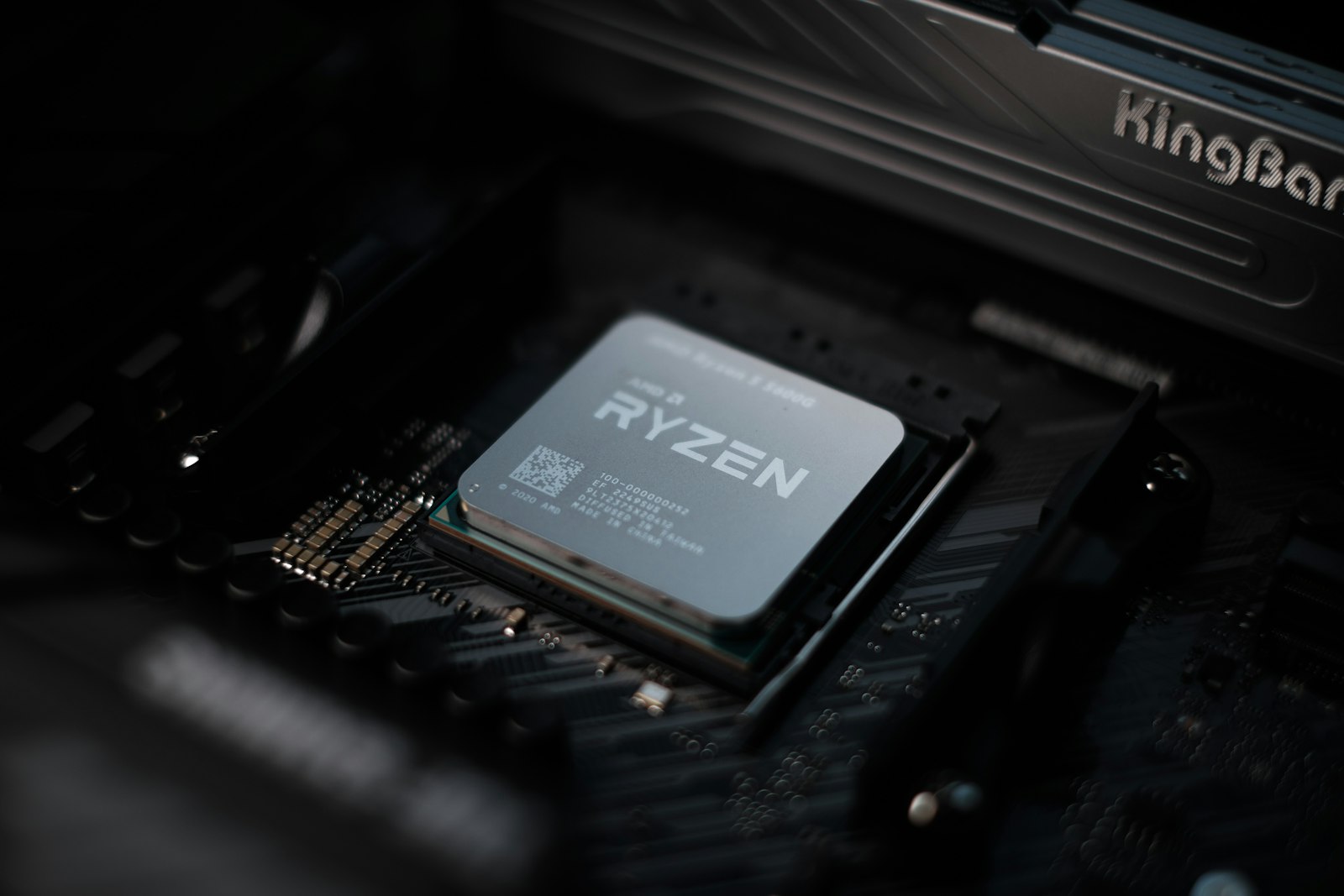
Once a CPU clears a reasonable performance threshold for your target GPU tier and games, additional CPU spend produces diminishing gaming returns compared to putting that money into the GPU instead. This threshold matters — an underpowered CPU can genuinely bottleneck a strong GPU — but past that point, chasing the highest-end CPU available is usually better spent as a GPU upgrade for a primarily gaming-focused build.
RAM: 16GB is a reasonable baseline, 32GB is future-proofing, not urgent need
Most current games run comfortably on 16GB of RAM, and jumping to 32GB is a reasonable future-proofing move if your budget allows it without cutting into GPU spend, but it's not an urgent requirement for most players today. Prioritize GPU budget over RAM capacity beyond the 16GB baseline unless you have specific multitasking or content-creation needs alongside gaming.
Storage: prioritize a solid NVMe SSD over raw capacity
A fast NVMe SSD for your OS and actively played games dramatically improves load times and overall system responsiveness compared to a traditional hard drive, and the price gap has narrowed enough that this is worth prioritizing over maximizing storage capacity. A smaller fast drive plus a cheaper secondary drive for less-played game libraries is usually a better allocation than one large but slower drive.
Power supply is not a place to cut corners
A cheap, low-quality power supply is one of the few components where cutting corners creates genuine risk — to component longevity and, in rare failure cases, to other parts in your system. Buy a reputable-brand PSU with an appropriate wattage rating for your components plus reasonable headroom, and treat this as a non-negotiable line item rather than a place to save money.
Motherboard feature creep is an easy trap
Motherboards span a huge price range driven mostly by features (extensive RGB, high-end VRM setups for overclocking headroom you may never use, excessive connectivity) that matter enormously for specific use cases and barely at all for a straightforward gaming build. Buy a motherboard that supports your chosen CPU and has the I/O you actually need — resist upselling toward "premium" boards unless you have a specific reason (serious overclocking, specific expansion needs) to want one.
Case and cooling: adequate airflow beats aesthetic extremes
A case with genuinely poor airflow can bottleneck your components' sustained performance regardless of how powerful they are, while an aesthetically striking case with restricted airflow is a real, common mistake. Prioritize a case with good stock airflow design over one chosen purely for looks, and pair it with cooling appropriate to your CPU's thermal output — this doesn't require expensive liquid cooling for most builds, but does require checking your case's actual airflow reviews, not just its appearance.
The takeaway
Concentrate your budget on GPU first, a "good enough" CPU second, and don't cut corners on the power supply. RAM beyond 16GB and premium motherboard features are the most common places first-time builders overspend relative to actual gaming performance impact — redirect that money toward the GPU and you'll get a noticeably better-performing build for the same total budget.