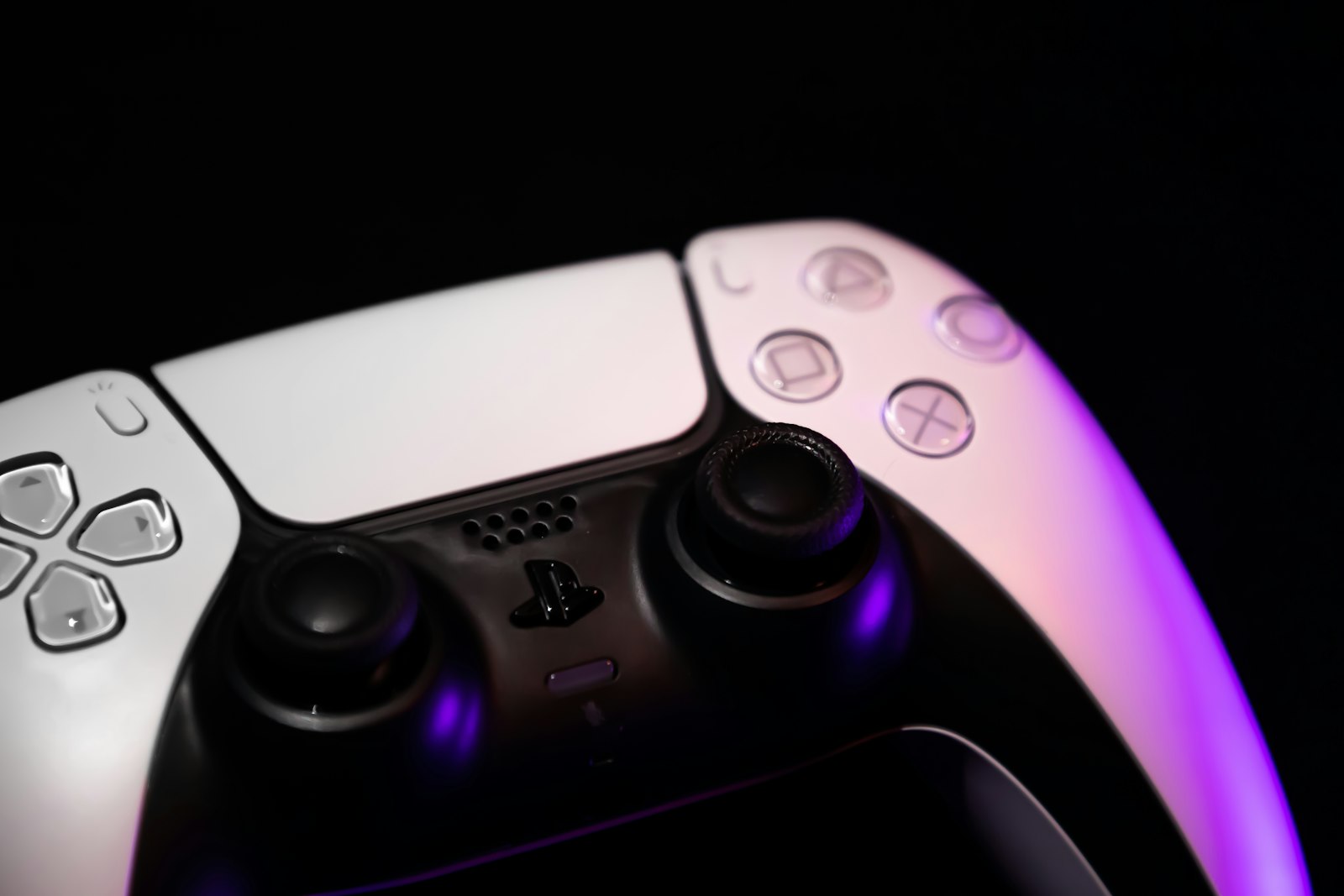
DualSense and the current Xbox controller are both genuinely well-designed, and most of the online debate about which is "better" is really brand loyalty dressed up as an objective comparison. There are real functional differences worth knowing — they just don't point to one controller being universally correct.
Haptic feedback and adaptive triggers are DualSense's real differentiator
DualSense's haptic feedback and adaptive trigger resistance are a genuine step beyond standard rumble motors when a game specifically supports them well — texture-simulating vibration and trigger resistance that changes based on in-game context (a bowstring's tension, a car's road surface) add real sensory feedback other controllers don't replicate. The catch: this only matters in games built to use it well, and support quality varies significantly across the PC and cross-platform game library, where the feature is often underutilized or absent entirely.
Xbox controller wins on raw compatibility and battery convenience
The Xbox controller (and its Elite variants) has broader out-of-box compatibility across PC games specifically, since Xbox input mapping has effectively become the PC gaming standard that most titles design their default control prompts around. Battery-wise, standard AA-based or easily swappable rechargeable battery options give more flexibility for long sessions without hunting for a charging cable mid-game, compared to DualSense's built-in battery.
Stick drift is a real risk on both, not a brand-specific flaw
Analog stick drift has affected both ecosystems over the years, and it's more a function of the specific stick module and manufacturing batch than an inherent flaw of one brand over the other. If you're buying either controller, understanding your warranty terms and, for heavy users, considering a controller with Hall-effect sticks (a stick technology more resistant to drift, available in some third-party and premium variants of both platforms) is a more useful decision factor than brand alone.
Build quality at the premium tier is genuinely close
The DualSense Edge and Xbox Elite Controller Series 2 — both premium variants with swappable components, remappable buttons, and adjustable trigger stops — are close enough in build quality and feature set that the decision mostly comes down to which ecosystem you're already invested in, plus specific feature preferences (Edge's stick module swapping versus Elite's paddle configuration options).
Cross-platform use has gotten easier, but isn't seamless
Both controllers now work reasonably well on PC and, with some setup, on each other's non-native platforms to varying degrees — but neither is fully seamless. If cross-platform use across PC and console matters to you specifically, check current compatibility for your exact use case rather than assuming universal plug-and-play, since driver support and feature parity (especially DualSense's adaptive triggers on non-PlayStation platforms) can be inconsistent.
The takeaway
Pick DualSense if haptics and adaptive triggers in supported titles matter to you and you're primarily on PlayStation or PC with well-supported games. Pick Xbox controller if broad PC compatibility and simple battery logistics matter more. Both are legitimately excellent — the "better" one is the one that matches what you actually play and how you play it.