Anbernic and Miyoo Mini both dominate budget retro handheld discussions, and the comparison gets framed as one being objectively "better" far more often than it should — the honest answer is that they're built around different priorities, and the right pick depends heavily on which era of games you actually want to play and how much you value pocketability.
Miyoo Mini's core strength is size and software polish
Miyoo Mini devices are built around a genuinely pocketable form factor with a well-regarded, actively developed custom launcher (OnionOS and similar) that prioritizes a clean, fast interface over raw processing headroom. For 8-bit and 16-bit era emulation — NES, SNES, Genesis, Game Boy — this is close to ideal: plenty of power for the target generation, in a device that fits in a jacket pocket without noticeable bulk.
Anbernic's range means the comparison isn't really one-to-one
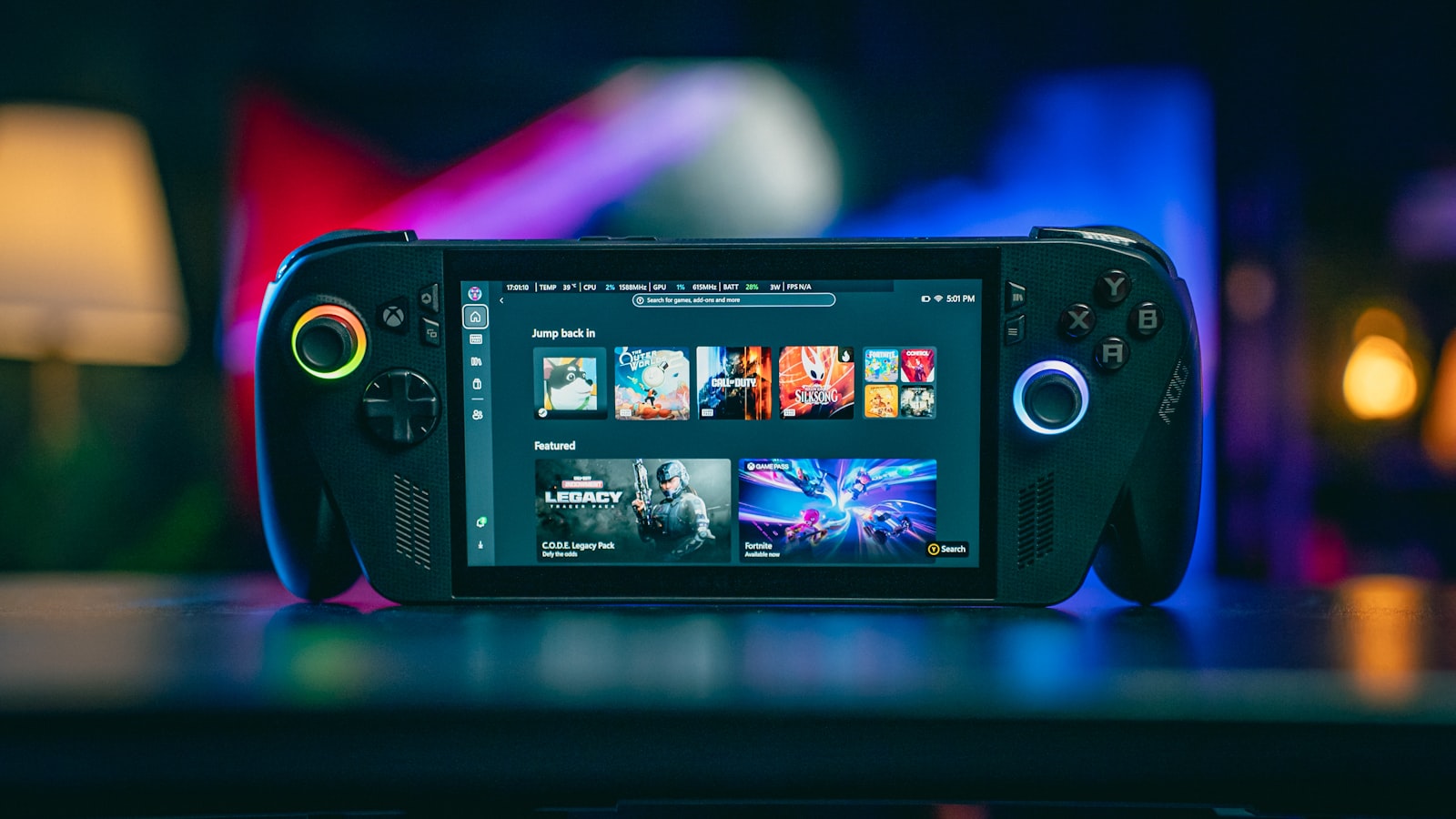
Anbernic doesn't make a single competing device — it makes an entire range spanning Miyoo Mini-comparable pocketable units up to considerably more powerful handhelds capable of PS1, N64, and even light PS2/GameCube emulation. Comparing "Anbernic vs Miyoo Mini" as if they're two directly equivalent products misses that Anbernic's lineup covers use cases Miyoo Mini's form factor was never trying to address.
Button and stick feel is a genuine differentiator, not just marketing
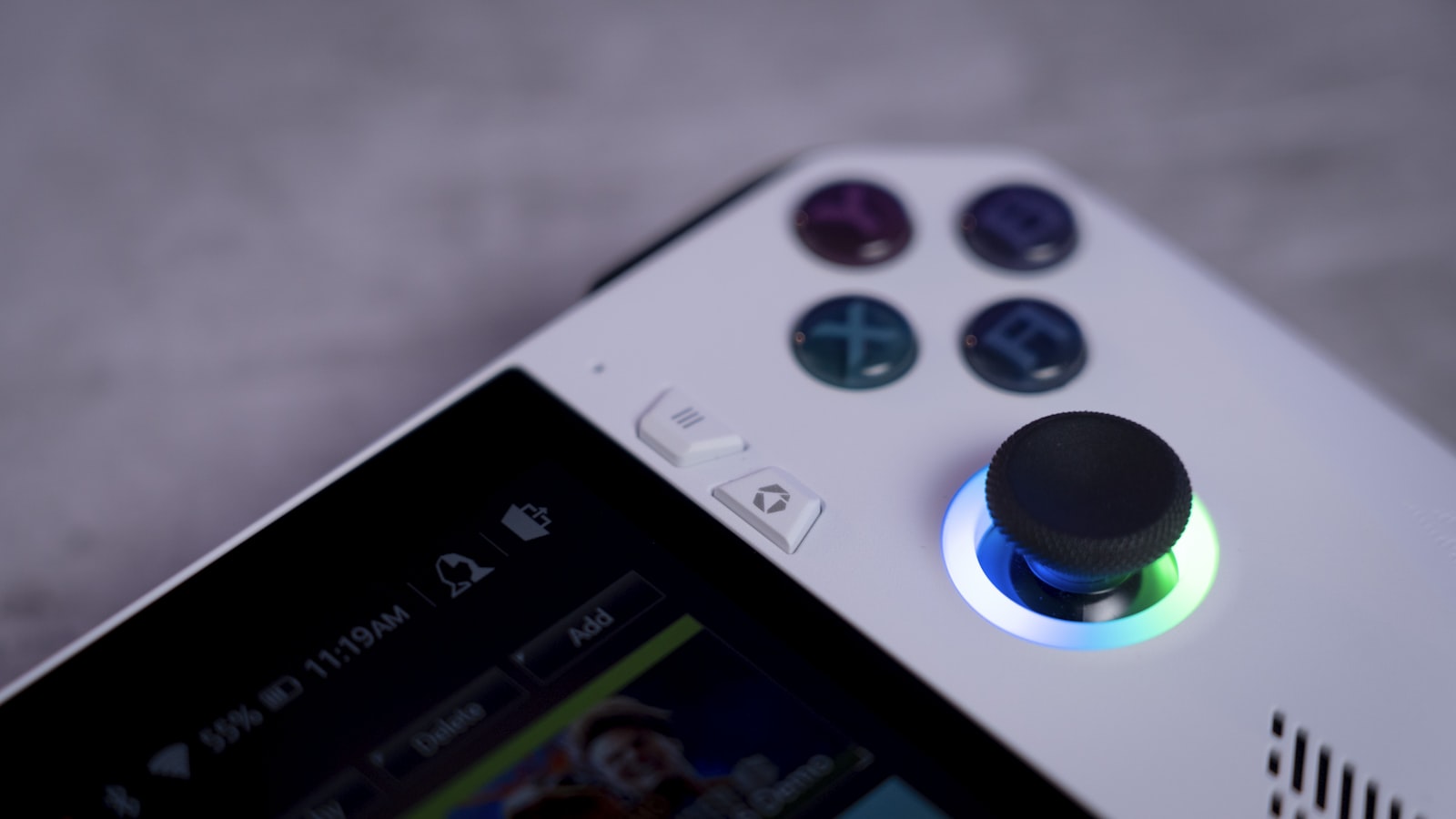
Reviewers and long-term owners consistently note real differences in D-pad precision and analog stick quality between specific models in both lineups — this is not just brand loyalty talk. If you're planning to play precision platformers or fighting games heavily, read recent hands-on reviews for the specific model you're considering rather than assuming brand reputation alone predicts button feel, since quality varies meaningfully across each company's own lineup.
Screen quality varies more within each brand than between them
Both companies span budget and higher-tier screen options within their own product ranges, so "Anbernic screens are better than Miyoo screens" (or vice versa) is generally not a meaningful claim — the real comparison is model-to-model at similar price points. Check the specific panel type (IPS versus cheaper alternatives) for the exact model you're considering rather than assuming brand-wide quality.
Custom firmware support affects long-term value on both
Both ecosystems benefit enormously from active custom firmware communities (OnionOS, various Anbernic-focused builds) that meaningfully improve default software, add features, and extend device lifespan well past what stock firmware offers. Before buying either, check that your specific target model has active custom firmware support — older or less popular models in both lineups can end up with thinner community support than flagship releases.
The takeaway
Choose based on target console generation and pocketability first, brand reputation second. If you want the smallest possible device for 8/16-bit emulation, Miyoo Mini's focused design is hard to beat. If you want a wider range of options, including devices capable of later console generations, Anbernic's broader lineup gives you more to choose from — just compare the specific models, not the brands as monoliths.