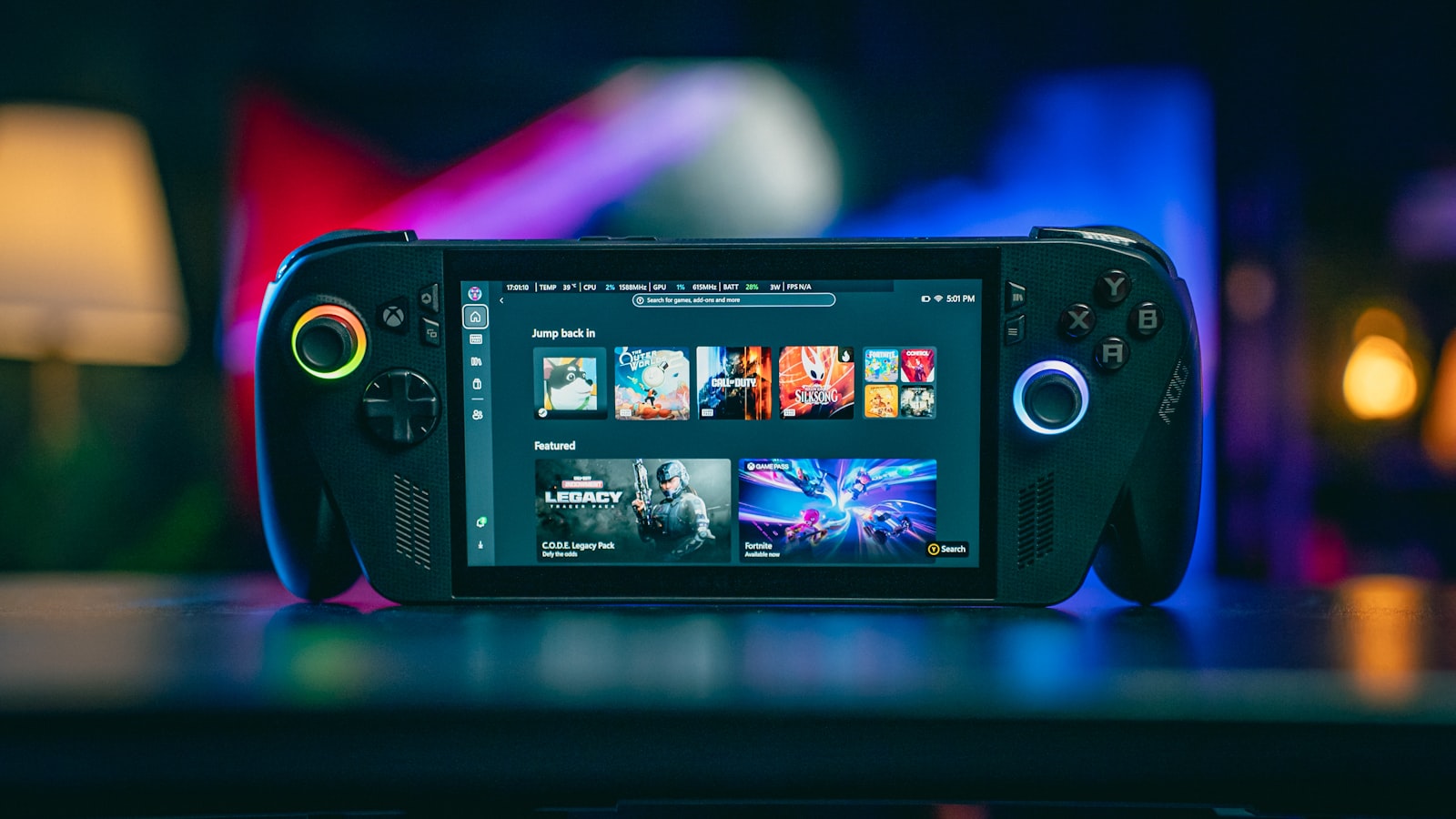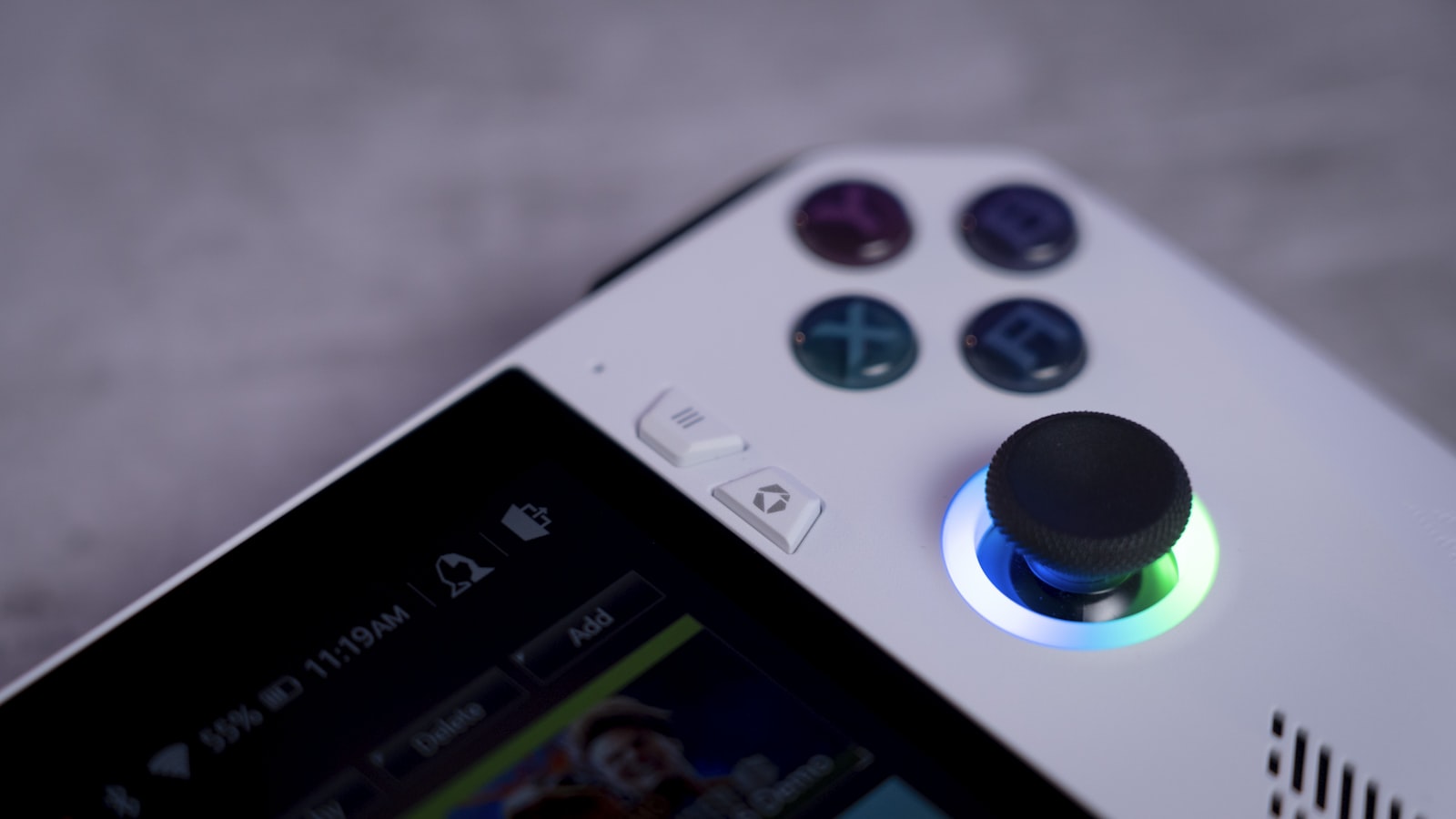
The ROG Ally is designed and marketed as a modern gaming handheld for current PC titles, but it's quietly become one of the most capable devices available for demanding emulation — GameCube, Wii, PS2, and even early Switch titles — territory that dedicated retro handhelds mostly can't touch without significant compromise.
It's genuinely overkill for older systems, and that's fine
For NES through Genesis-era emulation, the ROG Ally is dramatically more powerful than necessary — you're spending flagship-handheld money on horsepower that a $60 dedicated device handles fine. If that's your primary use case, a purpose-built retro handheld is the better value. Where the Ally earns its price is emulation that actually taxes real hardware.
GameCube and Wii emulation is where it separates from budget handhelds
Dolphin (the leading GameCube/Wii emulator) is genuinely demanding, and budget retro handhelds either can't run it acceptably or require significant compromise on resolution and frame rate to get playable performance. The Ally's combination of a proper x86 chip and Windows compatibility runs Dolphin at meaningfully higher, more stable performance than most dedicated retro devices can manage.
Windows is both the advantage and the friction point
Running full Windows means the Ally can run essentially any PC-based emulator without hardware-specific compatibility concerns — a real advantage over ARM-based dedicated handhelds where emulator ports are sometimes incomplete or delayed. The tradeoff is that Windows itself introduces overhead and occasional friction (background processes, driver quirks, a less streamlined boot-to-game experience) that a purpose-built Linux or Android retro handheld's dedicated launcher simply doesn't have.
Battery life is the real cost of this approach
Running demanding emulation on the Ally draws meaningfully more power than the same device running lighter, older-generation emulation — and considerably more than a dedicated ARM-based handheld running any emulation workload. If long unplugged sessions matter to you, factor this in; the Ally's emulation power comes with real battery tradeoffs that specialized retro devices don't share.
A practical software setup
RetroArch remains a strong all-in-one option even on the Ally, but for the specific systems where the Ally's power matters most (GameCube/Wii via Dolphin, PS2 via PCSX2), standalone emulators typically outperform RetroArch's cores for those systems specifically — worth setting up separately rather than relying on RetroArch as your single launcher for the Ally's heaviest emulation workloads.
The takeaway
Don't buy a ROG Ally purely for retro emulation unless your target includes GameCube, Wii, PS2, or similarly demanding systems — for anything up through Genesis or PS1, it's genuinely more device than you need. But for sixth-generation emulation specifically, it does things dedicated retro handhelds in a similar price range can't match.