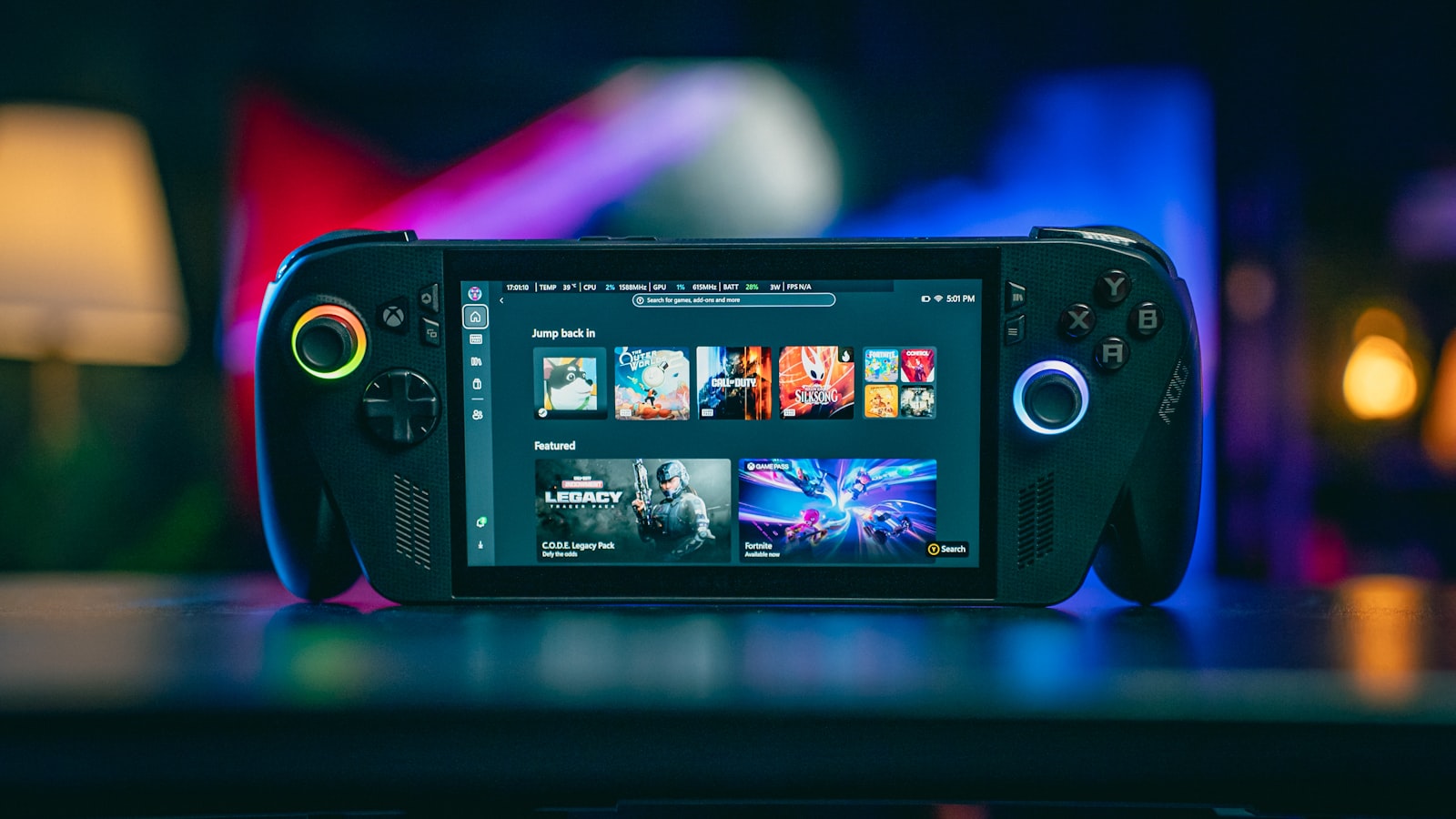
PS1 emulation has a low floor and a real ceiling — it's genuinely easy to get a game running at all, which is why so many first attempts end with something that technically works but looks and plays worse than it should. Closing that gap doesn't take much extra effort once you know what actually matters.
BIOS files matter more than most modern emulators tell you
Unlike some emulated systems, PS1 emulation core accuracy depends heavily on using the correct real BIOS file rather than a high-level emulation fallback — HLE BIOS options exist in most cores but produce measurably worse compatibility and accuracy than a proper BIOS dump. If a specific game runs poorly or has graphical glitches other people don't report, checking your BIOS setup should be your first troubleshooting step, not your last.
Internal resolution scaling isn't free — know the tradeoff
Bumping internal rendering resolution above the PS1's native output makes 3D geometry look sharper, but PS1-era games frequently used low native resolution to hide texture warping and affine texture mapping quirks that become more visible, not less, at higher internal resolutions. Some players prefer authentic low-res rendering for this exact reason. There's no objectively correct answer here — but understand you're making an aesthetic tradeoff, not just a free quality upgrade, when you scale resolution up.
Frame pacing settings fix stutter more reliably than "performance" settings
New users troubleshooting stutter often reach for lowering resolution or disabling shaders first, when the actual fix is usually in frame pacing or V-sync-related settings specific to the emulator core. PS1 game frame rates were often inconsistent even on original hardware, and emulator frame-pacing options exist specifically to smooth this — they're worth understanding before you start disabling visual features that aren't actually causing your stutter.
Memory card emulation has real pitfalls
Virtual memory cards are convenient, but a single shared memory card image used across many games can hit its file-slot limit unexpectedly, silently failing to save without an obvious error. Using separate virtual memory card files per game, or at minimum understanding your emulator's memory card slot limits, avoids the frustrating experience of losing progress to a full "card" you didn't know was full.
Controller mapping deserves deliberate setup, not defaults
PS1 games predate widely standardized control schemes, and default emulator control mappings often don't match a given game's original layout well, especially for D-pad-heavy titles versus analog-stick-heavy later titles. Spend the few minutes to remap controls per game (or per genre) rather than fighting an awkward default mapping through an entire playthrough.
The takeaway
Good PS1 emulation isn't about finding the single "best" emulator — most modern cores are capable — it's about correct BIOS setup, understanding the resolution-scaling tradeoff, fixing stutter at its actual source, and avoiding memory card pitfalls. Fifteen minutes of proper setup per game turns a rough first impression into something that plays as well as, or better than, the original hardware.