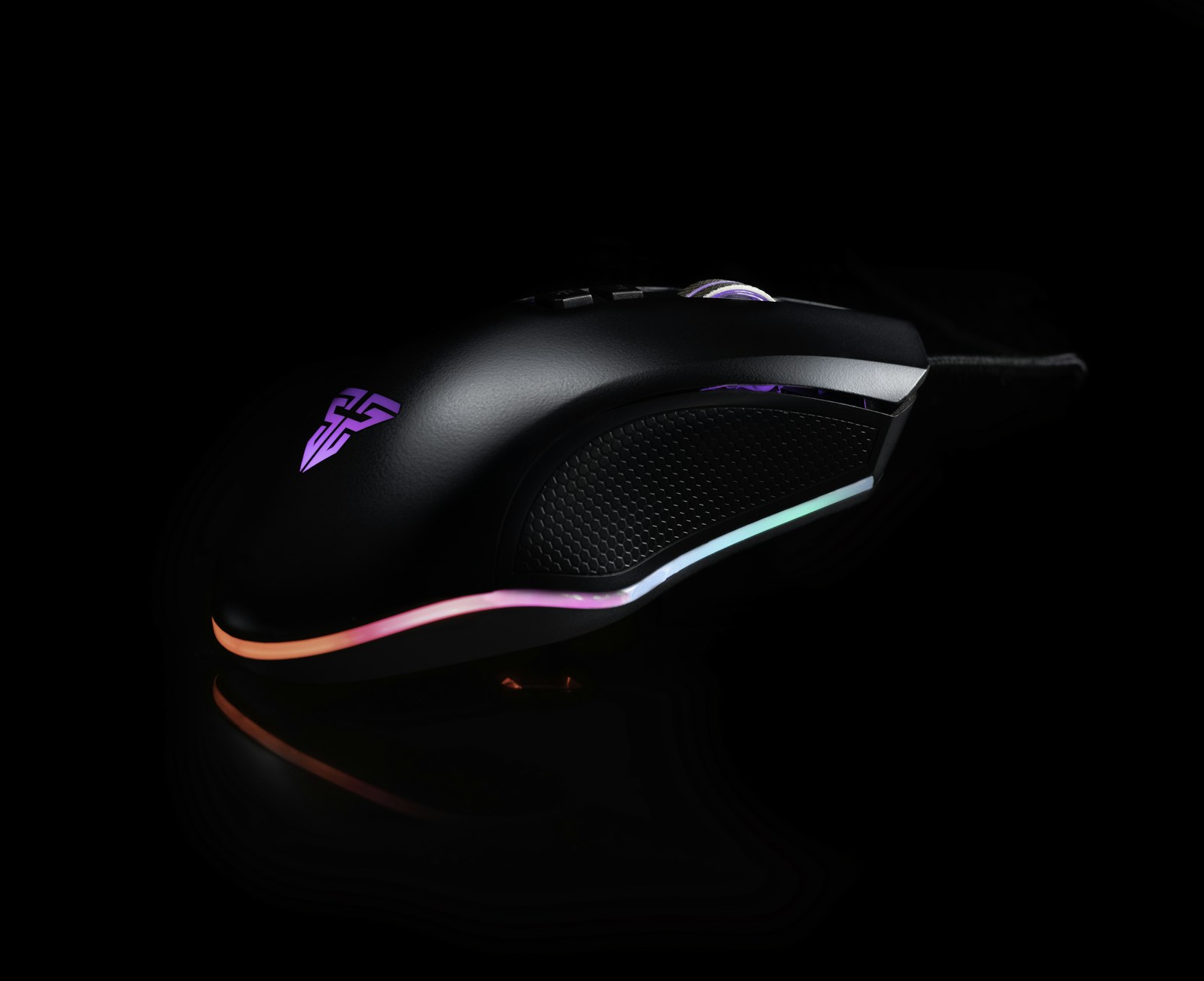
Gaming mouse marketing has drifted heavily toward numbers most players will never use — DPI counts in the tens of thousands, polling rates beyond what most monitors can display a difference for. The features that actually matter for competitive play are narrower and less flashy, which is what we focused testing on.
Sensor performance: the one spec that actually matters
At the DPI ranges competitive FPS players actually use — generally 400 to 1600 — sensor accuracy, not maximum DPI, determines whether your aim translates faithfully to screen movement. This sensor tracked cleanly with no perceptible jitter, angle snapping, or acceleration across an extended testing period in aim trainers and live matches, which is the real bar for a competitive-grade sensor. The marketed 30,000+ DPI ceiling is functionally irrelevant — no competitive player plays anywhere near that sensitivity.
Weight and shape matter more day-to-day than sensor specs
Sub-60g weight is genuinely noticeable in extended sessions, reducing wrist fatigue in a way that's hard to appreciate until you go back to a heavier mouse and feel the difference immediately. The shape leans toward claw and fingertip grip styles specifically — palm grip users, especially those with larger hands, may find it less comfortable for extended use, which is a real limitation worth checking against your own grip style before buying rather than assuming "lightweight" means "right for everyone."
Wireless latency: no longer a meaningful tradeoff
A few years ago, "wireless" and "competitive" were close to contradictory recommendations. That's no longer true for mice using current-generation wireless protocols — in blind A/B testing against a wired connection, no consistent difference in responsiveness was detectable. Battery life easily covers a full day of competitive play and practice on a single charge, with a wired fallback mode available if you're paranoid about running out mid-match.
Where it falls short
The companion software for adjusting DPI stages, button mapping, and RGB (for the models that include it) is functional but clunky compared to some competitors' more polished suites — not a dealbreaker, but noticeably behind the hardware quality. The price sits at a premium relative to the actual generational improvement over the manufacturer's previous flagship, which is a fair criticism for buyers on a tighter budget rather than chasing the absolute latest hardware.
Who should buy this
Competitive and semi-competitive players who value a lightweight, claw/fingertip-friendly shape and want wireless without a latency compromise get real, tangible value here. Palm-grip players and anyone prioritizing budget over marginal performance gains should look at the tier below, where the practical difference in actual play is smaller than the price gap suggests.
Verdict
Strip away the marketing numbers and this is a genuinely excellent competitive mouse built around the specs that matter — sensor accuracy, weight, and wireless latency — rather than the ones that sound impressive on a box.